
Plantar warts are small growths that develop on parts of the feet that bear weight. They're typically found on the bottom of the foot. Don't live with plantar warts, and call us today!
Plantar warts are small growths that develop on parts of the feet that bear weight. They're typically found on the bottom of the foot. Don't live with plantar warts, and call us today!

A foot infection can begin when bacteria or fungi enter a break in the skin or settle in a damp area. Cuts, blisters, and ingrown toenails can open the door to germs. Fungi can also grow between the toes or beneath a toenail. Shoes and socks can hold moisture against the skin, which supports fungal growth. At the same time, walking barefoot can expose the feet to sharp objects and dirty surfaces. An infection on the foot should receive prompt attention because it can spread into deeper tissue and make standing or walking painful.
Warning signs include redness, warmth, and swelling near the affected area. The skin may feel tender, produce yellow or green drainage, or give off a bad smell. Some infections cause cracked or peeling skin. Others make a toenail thick, discolored, or crumbly. Athlete’s foot is a fungal infection that usually develops between the toes. Cellulitis is a bacterial infection in deeper layers of skin and needs immediate medical care. Patients with diabetes face added risk because reduced feeling can hide an injury. Poor blood flow can also slow healing and allow an infection to become serious.
A podiatrist can examine the foot, identify the source of the infection, and determine how far it has spread. The exam may include taking a skin or nail sample to find the cause. The podiatrist can also clean a wound, drain an infected area, or remove damaged tissue. An infected ingrown toenail may require part of the nail to be removed. Severe cases can require surgery to control the infection and protect healthy tissue. Early diagnosis gives treatment a chance to work before complications develop. People with diabetes, poor circulation, or reduced feeling in their feet should seek care promptly when they notice a wound or skin change. If you have a foot infection, it is suggested that you promptly schedule an appointment with a podiatrist for effective relief and treatment solutions.
Wound care is an important part in dealing with diabetes. If you have diabetes and a foot wound or would like more information about wound care for diabetics, consult with Cathy Coker, DPM from Arch Advantage Foot & Ankle Center. Our doctor will assess your condition and provide you with quality foot and ankle treatment.
What Is Wound Care?
Wound care is the practice of taking proper care of a wound. This can range from the smallest to the largest of wounds. While everyone can benefit from proper wound care, it is much more important for diabetics. Diabetics often suffer from poor blood circulation which causes wounds to heal much slower than they would in a non-diabetic.
What Is the Importance of Wound Care?
While it may not seem apparent with small ulcers on the foot, for diabetics, any size ulcer can become infected. Diabetics often also suffer from neuropathy, or nerve loss. This means they might not even feel when they have an ulcer on their foot. If the wound becomes severely infected, amputation may be necessary. Therefore, it is of the upmost importance to properly care for any and all foot wounds.
How to Care for Wounds
The best way to care for foot wounds is to prevent them. For diabetics, this means daily inspections of the feet for any signs of abnormalities or ulcers. It is also recommended to see a podiatrist several times a year for a foot inspection. If you do have an ulcer, run the wound under water to clear dirt from the wound; then apply antibiotic ointment to the wound and cover with a bandage. Bandages should be changed daily and keeping pressure off the wound is smart. It is advised to see a podiatrist, who can keep an eye on it.
If you have any questions please contact our office located in Indianapolis, IN . We offer the newest diagnostic and treatment technologies for all your foot and ankle needs.
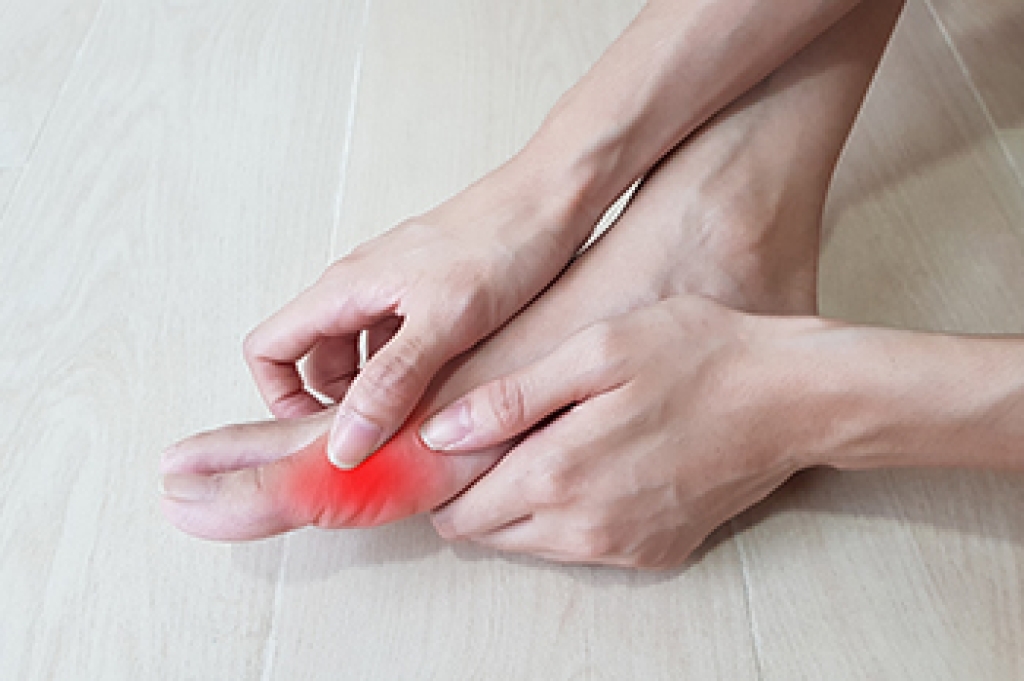
Gout is a form of inflammatory arthritis that can cause sudden, intense pain in the big toe joint. It develops when uric acid levels become too high and crystals form inside the joint. Gout often affects the big toe because this joint can be vulnerable to pressure. An attack may begin suddenly, sometimes during the night, and become extremely uncomfortable. Understanding gout symptoms and causes can help you recognize the condition, and seek relief.
A gout attack causes pain, swelling, and tenderness in the big toe. Even pressure from a shoe or bedsheet may feel uncomfortable. Walking can become difficult because placing weight on the affected foot may increase pain. High uric acid levels are the main cause of gout. The body produces uric acid when it breaks down purines. When uric acid builds up, crystals can collect around joints and trigger inflammation and stiffness.
Several factors can increase the risk of developing gout. Diets high in purine-rich foods may contribute to elevated uric acid levels. Obesity can increase risk and may affect how the body processes uric acid. Family history, kidney problems, and other health factors can play a role. Dehydration and excessive alcohol intake may contribute to attacks in people. Recognizing these risk factors can help you discuss prevention and daily choices with a podiatrist.
A podiatrist can evaluate the foot, review symptoms, and accurately diagnose gout. Treatment can include measures to reduce pain and swelling, along with recommendations for preventing episodes. A podiatrist may discuss footwear, activity changes, and when follow-up is needed for ongoing management. Managing contributing factors can help protect mobility and comfort. If you have gout symptoms, it is suggested that you are under the care of a podiatrist who can help you to manage this painful condition.
Gout is a foot condition that requires certain treatment and care. If you are seeking treatment, contact Cathy Coker, DPM from Arch Advantage Foot & Ankle Center. Our doctor will treat your foot and ankle needs.
What Is Gout?
Gout is a type of arthritis caused by a buildup of uric acid in the bloodstream. It often develops in the foot, especially the big toe area, although it can manifest in other parts of the body as well. Gout can make walking and standing very painful and is especially common in diabetics and the obese.
People typically get gout because of a poor diet. Genetic predisposition is also a factor. The children of parents who have had gout frequently have a chance of developing it themselves.
Gout can easily be identified by redness and inflammation of the big toe and the surrounding areas of the foot. Other symptoms include extreme fatigue, joint pain, and running high fevers. Sometimes corticosteroid drugs can be prescribed to treat gout, but the best way to combat this disease is to get more exercise and eat a better diet.
If you have any questions, please feel free to contact our office located in Indianapolis, IN . We offer the newest diagnostic and treatment technologies for all your foot care needs.

Persistent toe pain can make simple daily activities uncomfortable and can affect how you walk. Pain in the big-toe joint can develop gradually or begin after an injury. Three important causes are bunions, osteoarthritis, and gout. A bunion forms when the bones at the big-toe joint move out of alignment. This creates a bump along the inside of the foot, while the big toe shifts toward the second toe. The bump can become painful when it presses against shoes. Bunions can also lead to stiffness and changes in nearby toes.
Osteoarthritis can also cause big-toe pain and stiffness. This condition develops when the joint becomes damaged, and movement becomes limited. In advanced cases, the big toe can become very stiff, and a bony bump can form on top of the joint. This can make closed shoes uncomfortable and cause patients to change the way they walk. Gout causes a different pattern of pain. It can produce sudden, severe pain with redness, heat, and swelling. Gout develops when urate crystals collect in a joint, and the big toe is a frequent site for an attack.
A podiatrist can examine the toe, identify the cause of the pain, and explain the treatment choices. Treatment depends on the condition and its severity. A podiatrist can recommend appropriate shoes, prescribe custom orthotics to improve joint function, or provide certain injections to reduce pain from osteoarthritis. When symptoms are severe and other treatments have not provided enough relief, surgery can be discussed. An accurate diagnosis is especially important because bunions, osteoarthritis, and gout require different approaches to care. If you have toe pain, it is suggested that you schedule an appointment with a podiatrist for a diagnosis and appropriate treatment.
Toe pain can disrupt your daily activities. If you have any concerns, contact Cathy Coker, DPM of Arch Advantage Foot & Ankle Center. Our doctor can provide the care you need to keep you pain-free and on your feet.
What Causes Toe Pain?
Most severe toe pain is caused due to a sports injury, trauma from dropping something heavy on the toe, or bumping into something rigid. Other problems can develop over time for various reasons.
Toe pain can be caused by one or more ailments. The most common include:
When to See a Podiatrist
Diagnosis
In many cases the cause of toe pain is obvious, but in others, a podiatrist may want to use more advanced methods to determine the problem. These can range from simple visual inspections and sensation tests to X-rays and MRI scans. Prior medical history, family medical history, and any recent physical traumatic events will all be taken into consideration for a proper diagnosis.
Treatment
Treatments for toe pain and injuries vary and may include shoe inserts, padding, taping, medicines, injections, and in some cases, surgery. If you believe that you have broken a toe, please see a podiatrist as soon as possible.
If you have any questions please contact our office located in Indianapolis, IN . We offer the newest diagnostic and treatment technologies for all your foot and ankle needs.

Corns are thick, hardened areas of skin that form when repeated pressure or rubbing affects a specific part of the foot. They often develop on the toes, between the toes, or on the soles of the feet. A corn can have a hard center and feel tender when pressure is placed on it. Shoes that are too narrow or do not fit properly can increase pressure on the toes. A toe that bends or sits differently can rub against a shoe and create friction. Corns are different from calluses because they usually form in a smaller, more focused area. They are not contagious, but they can become painful and make standing or walking uncomfortable.
A podiatrist can examine a corn and determine what is causing the repeated pressure. This evaluation can also help distinguish a corn from other skin problems, including a plantar wart. Care focuses on reducing pressure and relieving discomfort. A podiatrist can safely remove thickened skin, recommend changes that reduce rubbing, and assess whether a foot shape or toe problem is contributing to the corn. Removing a corn without addressing the source of pressure can allow it to return.
In some cases, a corn is connected to an underlying bone or toe problem. When other treatments do not provide enough relief, a podiatrist can discuss whether surgery is appropriate. Surgery can address a structural problem that continues to create pressure on the affected area. A podiatrist can explain the available options based on the location and severity of the corn. Patients with reduced sensation in their feet also need careful evaluation because they might not notice an injury caused by a corn. Professional assessment can help protect the skin and reduce complications, especially when symptoms are persistent or severe. Corns can be painful, and may cause difficulty in completing daily activities. If you have developed a corn, it is suggested that you schedule an appointment with a podiatrist for effective relief and treatment solutions.
If you have any concerns regarding your feet and ankles, contact Cathy Coker, DPM of Arch Advantage Foot & Ankle Center. Our doctor will treat your foot and ankle needs.
Corns: What Are They? and How Do You Get Rid of Them?
Corns can be described as areas of the skin that have thickened to the point of becoming painful or irritating. They are often layers and layers of the skin that have become dry and rough, and are normally smaller than calluses.
Ways to Prevent Corns
There are many ways to get rid of painful corns such as wearing:
Treating Corns
Treatment of corns involves removing the dead skin that has built up in the specific area of the foot. Consult with Our doctor to determine the best treatment option for your case of corns.
If you have any questions, please feel free to contact our office located in Indianapolis, IN . We offer the newest diagnostic and treatment technologies for all your foot care needs.
Connect With Us
