
If you are suffering from tenderness, pain, or stiffness in the joints of your feet or ankles, call us to schedule an appointment.
If you are suffering from tenderness, pain, or stiffness in the joints of your feet or ankles, call us to schedule an appointment.

Hammertoe is a deformity that causes one of the smaller toes to bend downward at its middle joint instead of lying flat. It most often affects the second toe, although it can occur in the third or fourth toes as well. In the early stages, the toe may still be flexible, but it can gradually become stiff if the condition progresses. Common symptoms include toe pain, swelling, and redness surrounding the affected joint. Some people also develop corns or calluses where the bent toe rubs against footwear. As the deformity worsens, walking and wearing shoes may become increasingly uncomfortable. Because hammertoe can become more difficult to treat over time, an early evaluation by a podiatrist is important to determine the severity of the condition and recommend appropriate treatment.
Several factors may contribute to hammertoe, including muscle imbalance, inherited foot structure, and wearing shoes that crowd the toes. Arthritis or previous toe injuries may also increase the risk. As the toe remains bent, the surrounding tendons and joints may become tighter, making it harder to straighten the toe. This can affect the way the foot functions while walking and place additional pressure on other areas of the foot. A comprehensive podiatry examination evaluates toe alignment, joint flexibility, and overall foot mechanics. Early diagnosis allows treatment to begin before the deformity becomes rigid or causes additional foot problems.
A podiatrist specializes in diagnosing and treating hammertoe while evaluating the overall health and function of the foot. Professional care focuses on relieving pain, improving toe alignment, and helping preserve mobility. Treatment is tailored to each patient's symptoms, activity level, and the severity of the deformity. Regular follow-up visits also help monitor progression and identify changes that may require additional care. If you are experiencing toe pain, difficulty wearing shoes, or symptoms of hammertoe, it is suggested that you consult a podiatrist for an evaluation and appropriate treatment options.
Hammertoe
Hammertoes can be a painful condition to live with. For more information, contact Cathy Coker, DPM from Arch Advantage Foot & Ankle Center. Our doctor will answer any of your foot- and ankle-related questions.
Hammertoe is a foot deformity that affects the joints of the second, third, fourth, or fifth toes of your feet. It is a painful foot condition in which these toes curl and arch up, which can often lead to pain when wearing footwear.
Symptoms
Causes
Genetics – People who are genetically predisposed to hammertoe are often more susceptible
Arthritis – Because arthritis affects the joints in your toes, further deformities stemming from arthritis can occur
Trauma – Direct trauma to the toes could potentially lead to hammertoe
Ill-fitting shoes – Undue pressure on the front of the toes from ill-fitting shoes can potentially lead to the development of hammertoe
Treatment
Orthotics – Custom made inserts can be used to help relieve pressure placed on the toes and therefore relieve some of the pain associated with it
Medications – Oral medications such as anti-inflammatories or NSAIDs could be used to treat the pain and inflammation hammertoes causes. Injections of corticosteroids are also sometimes used
Surgery – In more severe cases where the hammertoes have become more rigid, foot surgery is a potential option
If you have any questions, please feel free to contact our office located in Indianapolis, IN . We offer the newest diagnostic and treatment technologies for all your foot care needs.
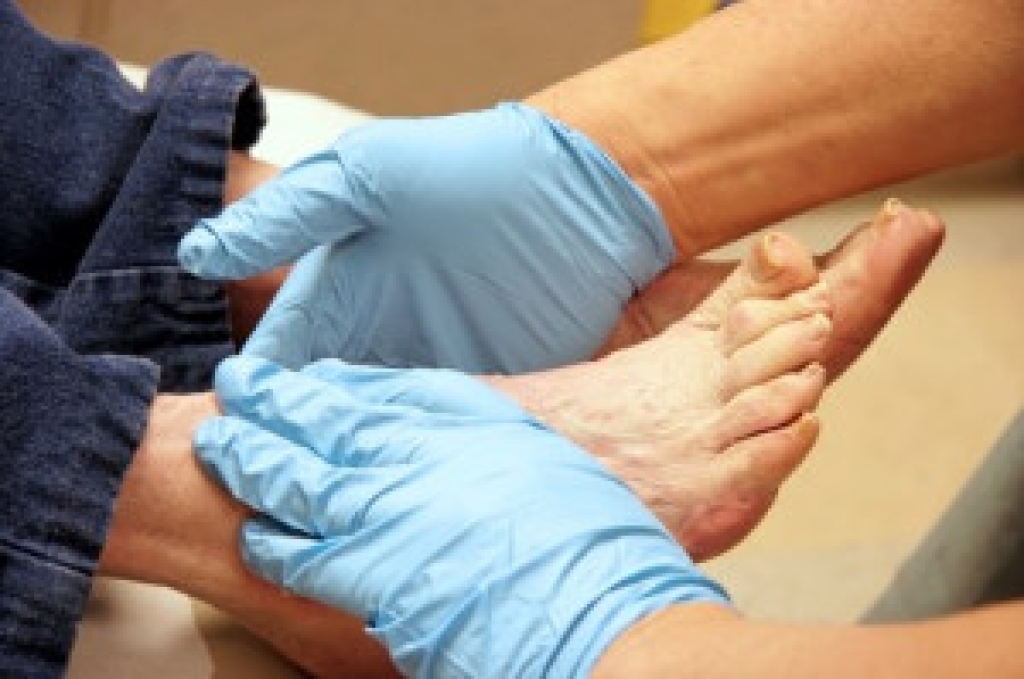
Diabetes can place the feet at risk even before a patient notices a problem. High blood sugar can damage nerves, which can reduce feeling in the toes and soles. It can also narrow blood vessels and limit the oxygen that reaches injured tissue. As a result, a small blister, cut, or pressure spot can go unnoticed and heal poorly. An untreated wound can develop into an ulcer, which is an open sore. Infection can then spread into deeper tissue or bone. In severe cases, these complications can lead to limb loss.
Regular visits to a podiatrist helps find warning signs before they become serious. A podiatrist can inspect the skin, nails, and spaces between the toes. The examination also includes checking blood flow, nerve function, and changes in foot shape. These checks can reveal numbness or pressure points that increase the risk of a wound. A podiatrist can safely trim problem toenails and reduce thick calluses that create pressure. The doctor can also treat ulcers, remove unhealthy tissue, and use dressings to support healing. Signs of poor circulation can lead to further testing or a referral to another specialist.
A podiatrist can recommend properly-fitted shoes, custom orthotics, or protective padding to reduce rubbing and pressure. Patients with a past ulcer, poor circulation, or loss of feeling need closer monitoring. The doctor can set an examination schedule based on a patient’s level of risk. Prompt care is especially important for redness, swelling, or warmth in one foot. Patients should also report drainage, an open sore, or a change in skin color. Fever or increasing pain can signal an infection that requires prompt medical attention. Consistent visits to a podiatrist can protect mobility and help avoid hospital care, serious infection, or loss of limb. If you have foot complications from diabetes, it is suggested that you are under the care of a podiatrist who can help you to manage this serious condition.
Diabetic foot care is important in preventing foot ailments such as ulcers. If you are suffering from diabetes or have any other concerns about your feet, contact Cathy Coker, DPM from Arch Advantage Foot & Ankle Center. Our doctor can provide the care you need to keep you pain-free and on your feet.
Diabetic Foot Care
Diabetes affects millions of people every year. The condition can damage blood vessels in many parts of the body, especially the feet. Because of this, taking care of your feet is essential if you have diabetes, and having a podiatrist help monitor your foot health is highly recommended.
The Importance of Caring for Your Feet
Patients with diabetes should have their doctor monitor their blood levels, as blood sugar levels play such a huge role in diabetic care. Monitoring these levels on a regular basis is highly advised.
It is always best to inform your healthcare professional of any concerns you may have regarding your feet, especially for diabetic patients. Early treatment and routine foot examinations are keys to maintaining proper health, especially because severe complications can arise if proper treatment is not applied.
If you have any questions, please feel free to contact our office located in Indianapolis, IN . We offer the newest diagnostic and treatment technologies for all your foot care needs.

The Achilles tendon is a band of tissue that connects the calf muscles to the heel bone. It helps lift the heel when a person walks, runs, or jumps. Achilles tendonitis develops when this tendon becomes irritated and inflamed. Pain appears above the back of the heel and can become worse with activity. Signs include swelling, stiffness, and limited ankle motion. The area also can feel tender when touched. Runners and patients face a higher risk because repeated strain can irritate the tendon. An increase in exercise can place stress on it as well.
Several factors can contribute to Achilles tendonitis. Tight calf muscles can pull on the tendon and increase strain near the heel. Shoes that fit poorly or lack proper support can affect how pressure moves through the foot. Wearing high heels can shorten the calf muscles and place added stress on the tendon when other shoes are worn. Achilles tendonitis may be linked to a joint condition that affects other areas of the body. Without treatment, the tendon can weaken and become more likely to tear. Persistent heel pain should therefore receive professional attention before it interferes with daily movement or exercise.
A podiatrist can examine the heel, assess ankle motion, and identify the location of tenderness. The evaluation includes questions about symptoms, activity levels, and recent changes in exercise. The podiatrist may ask the patient to rise onto the balls of the feet to observe heel strength and movement. Imaging can provide detail when the cause or severity is unclear. An ultrasound or MRI may be ordered to reveal inflammation, damage, or a tear. Treatment from a podiatrist can include orthotics, supportive shoe recommendations, or a brace that limits harmful movement. If you have symptoms of Achilles tendonitis, it is suggested that you schedule an appointment with a podiatrist who can accurately diagnose and treat this condition.
Achilles tendon injuries need immediate attention to avoid future complications. If you have any concerns, contact Cathy Coker, DPM of Arch Advantage Foot & Ankle Center. Our doctor can provide the care you need to keep you pain-free and on your feet.
What Is the Achilles Tendon?
The Achilles tendon is a tendon that connects the lower leg muscles and calf to the heel of the foot. It is the strongest tendon in the human body and is essential for making movement possible. Because this tendon is such an integral part of the body, any injuries to it can create immense difficulties and should immediately be presented to a doctor.
What Are the Symptoms of an Achilles Tendon Injury?
There are various types of injuries that can affect the Achilles tendon. The two most common injuries are Achilles tendinitis and ruptures of the tendon.
Achilles Tendinitis Symptoms
Rupture Symptoms
Treatment and Prevention
Achilles tendon injuries are diagnosed by a thorough physical evaluation, which can include an MRI. Treatment involves rest, physical therapy, and in some cases, surgery. However, various preventative measures can be taken to avoid these injuries, such as:
If you have any questions please feel free to contact our office located in Indianapolis, IN . We offer the newest diagnostic tools and technology to treat your foot and ankle needs.

Extensor tendonitis causes pain on the top of the foot due to inflammation of the tendons responsible for lifting the toes. These tendons play a vital role in maintaining balance and proper stride during running. When they become overworked or irritated, discomfort can develop. This condition is often seen in runners who place repeated stress on their feet. Learning the definition and causes of extensor tendonitis can help prevent injury and support long term activity.
Common symptoms include aching or sharp pain along the top of the foot, especially during or after running. The affected area may feel sore to the touch and may show mild swelling. Some individuals experience increased discomfort while wearing tight shoes, or when bending the foot upward. Symptoms may worsen with continued activity and improve with rest. Recognizing these warning signs early can help reduce the risk of further damage.
Risk factors for extensor tendonitis include overtraining, sudden increases in activity, and wearing improper footwear. Shoes that are too tight across the top of the foot can create pressure and irritation. Running on hard or uneven surfaces may also contribute to strain. Poor flexibility and lack of proper warm up can increase susceptibility. These factors place stress on the tendons and can lead to inflammation over time.
Managing this condition involves addressing the underlying causes and allowing the tendons to recover. Wearing properly fitted shoes and adjusting lacing can reduce pressure. Rest and gradual return to activity can support healing. Stretching exercises can improve flexibility and reduce tension in the tendons. Seeking podiatric care ensures accurate diagnosis and effective treatment. If you have pain on the top of your foot while running, it is suggested that you consult a podiatrist who can offer effective relief and treatment solutions.
Foot Pain
Foot pain can be extremely painful and debilitating. If you have a foot pain, consult with Cathy Coker, DPM from Arch Advantage Foot & Ankle Center. Our doctor will assess your condition and provide you with quality foot and ankle treatment.
Causes
Foot pain is a very broad condition that could be caused by one or more ailments. The most common include:
Diagnosis
To figure out the cause of foot pain, podiatrists utilize several different methods. This can range from simple visual inspections and sensation tests to X-rays and MRI scans. Prior medical history, family medical history, and any recent physical traumatic events will all be taken into consideration for a proper diagnosis.
Treatment
Treatment depends upon the cause of the foot pain. Whether it is resting, staying off the foot, or having surgery; podiatrists have a number of treatment options available for foot pain.
If you have any questions, please feel free to contact our office located in Indianapolis, IN . We offer the newest diagnostic and treatment technologies for all your foot care needs.
Connect With Us
