Foot Health Concerns in Older Adults and How They Affect Mobility

Foot problems in older adults are common and can significantly impact mobility and quality of life. As the body ages, natural changes in skin, joints, and circulation increase the risk of developing foot conditions. Elderly foot problems often include corns, toenail disorders, and hammertoe deformities. These conditions may seem minor at first but can lead to pain, instability, and reduced independence if not addressed early.

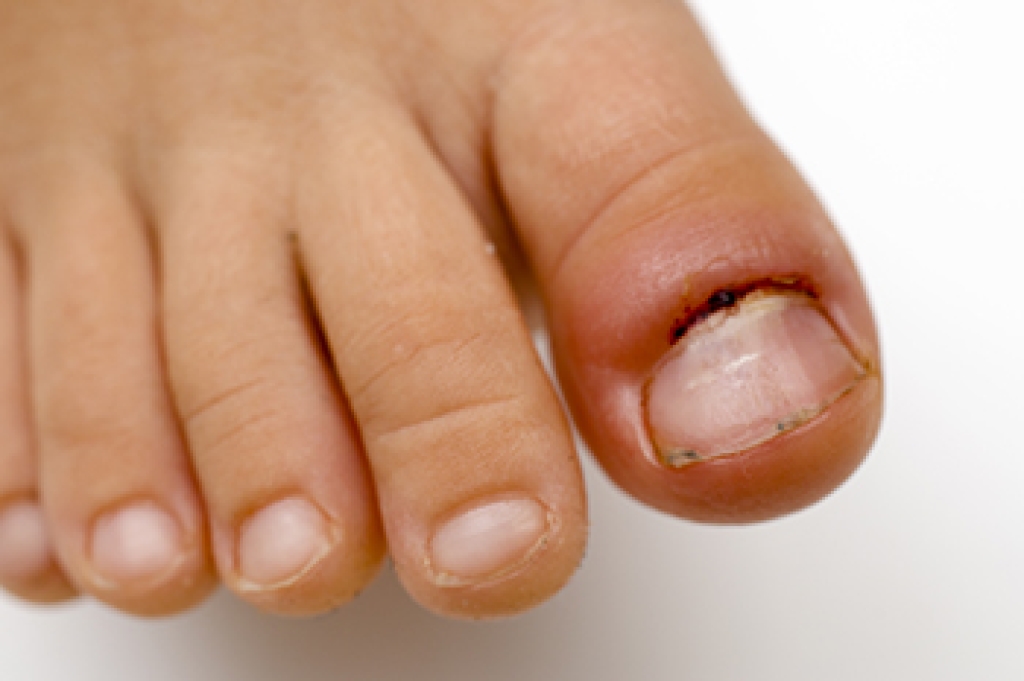
Symptoms vary depending on the condition but often include pain, swelling, and visible deformities. Corns appear as thickened areas of skin caused by repeated pressure or friction. Toenail disorders may include thickened, discolored, or brittle nails that are difficult to manage. Bunions present as a bony bump at the base of the big toe, while hammertoe involves an abnormal bending of the smaller toes. Weakness, frailty, and balance difficulties are also common, increasing the risk of falls.


Risk factors include aging-related joint changes, reduced muscle strength, and poor circulation. Wearing ill- fitting shoes can worsen pressure points and contribute to deformities. Chronic conditions like arthritis and diabetes may further impact foot health. Limited flexibility and decreased sensation can make it harder to detect early signs of injury or irritation, allowing problems to progress. Preventive care and early treatment are essential for maintaining mobility. Wearing properly fitted, supportive shoes reduces pressure and improves balance. Regular foot inspections help identify changes before they worsen. Routine nail care and skin maintenance are also important. Strengthening and balance exercises can improve stability and reduce fall risk. If you are elderly and have developed foot problems, it is suggested that you consult a podiatrist for an accurate diagnosis and appropriate treatment.

If you need your feet checked, contact Cathy Coker, DPM of Arch Advantage Foot & Ankle Center. Our doctor will attend to all of your foot and ankle needs and provide you with quality treatment.

Geriatrics and Podiatry
When people age, some common issues that may occur are bone density loss, dry skin, poor circulation, and rough brittle nails. These issues may also affect your foot health if the necessary steps are not taken to alleviate the problems.

It is important to take care of your feet because feet that are injured or diseased can affect your overall health. Having painful feet hinders your ability to do daily activities or may decrease your willingness to do the things that you need to do.

Visiting Your Geriatrician
As we age, health problems become more likely, so it is essential to visit your doctor for check-ups to ensure that you are doing the best you can to take care of your health. It is recommended to check your feet frequently for any possible cuts, bruises, swelling, corns or any other irregularities. 

Taking Care of Elderly Feet
Cracked or dry feet can be treated by applying moisturizer often. It is also important not to wear old socks because the older the sock is, the higher the possibility there will be that there is bacteria there. Wear fresh socks and make sure they fit properly.

Proper foot health means that you can have a more active lifestyle and you will not be bogged down by pain. Foot health also leads to good circulation, which is paramount for overall health.

If you have any questions, please feel free to contact our office located in Indianapolis, IN . We offer the newest diagnostic and treatment technologies for all your foot care needs.

Read more about Geriatrics and Podiatry

Athlete's Foot and How a Podiatrist Can Help

Athlete's foot is a fungal infection that affects the skin of the feet, especially between the toes. The fungus grows best in warm, damp places. This makes sweaty feet and shared locker rooms or pool areas common places where it spreads. Early signs include itching, burning, and peeling skin between the toes. The skin can also become flaky or cracked. In some cases, the affected area becomes sore or develops small fluid-filled blisters. The infection can spread to the soles or sides of the feet. Without proper treatment, it can also spread to the toenails, making the nails thicker, discolored, and more difficult to treat.

Other skin conditions can look similar, so getting the correct diagnosis is important. A podiatrist can examine the affected skin and determine whether athlete's foot is the cause of the symptoms. Delaying treatment allows the infection to spread more easily to nearby skin and increases the chance of repeated flare-ups that become more difficult to eliminate completely. A podiatrist can also identify whether the infection has reached the toenails or whether a different foot problem is contributing to ongoing irritation. Treatment focuses on clearing the infection, reducing discomfort, and helping prevent it from returning. Patients with diabetes or poor circulation should seek prompt evaluation because skin infections can lead to more serious foot problems.

Good foot health also plays an important role in lowering the chance of repeated athlete’s foot infections. Keeping the feet clean and dry helps reduce the moisture that allows fungus to grow. Changing socks regularly also helps. Choosing shoes that fit properly and allow air to circulate can reduce excessive moisture. A podiatrist can recommend ways to protect your skin and reduce conditions that encourage fungal growth. Regular foot examinations also help detect problems before they become more difficult to treat. If you have symptoms of athlete's foot, it is suggested that you schedule an appointment with a podiatrist for effective relief and treatment solutions.

Athlete’s foot is an inconvenient condition that can be easily reduced with the proper treatment. If you have any concerns about your feet and ankles, contact Cathy Coker, DPM from Arch Advantage Foot & Ankle Center.  Our doctor will treat your foot and ankle needs.

Athlete’s Foot: The Sole Story

Athlete's foot, also known as tinea pedis, can be an extremely contagious foot infection. It is commonly contracted in public changing areas and bathrooms, dormitory style living quarters, around locker rooms and public swimming pools, or anywhere your feet often come into contact with other people.

Solutions to Combat Athlete’s Foot

  • Hydrate your feet by using lotion
  • Exfoliate
  • Buff off nails
  • Use of anti-fungal products
  • Examine your feet and visit your doctor if any suspicious blisters or cuts develop

Athlete’s foot can cause many irritating symptoms such as dry and flaking skin, itching, and redness. Some more severe symptoms can include bleeding and cracked skin, intense itching and burning, and even pain when walking. In the worst cases, Athlete’s foot can cause blistering as well. Speak to your podiatrist for a better understanding of the different causes of Athlete’s foot, as well as help in determining which treatment options are best for you.

If you have any questions please feel free to contact our office located in Indianapolis, IN . We offer the newest diagnostic and treatment technologies for all your foot and ankle needs.

Read more about Athlete’s Foot

Causes and Treatment of Swollen Feet

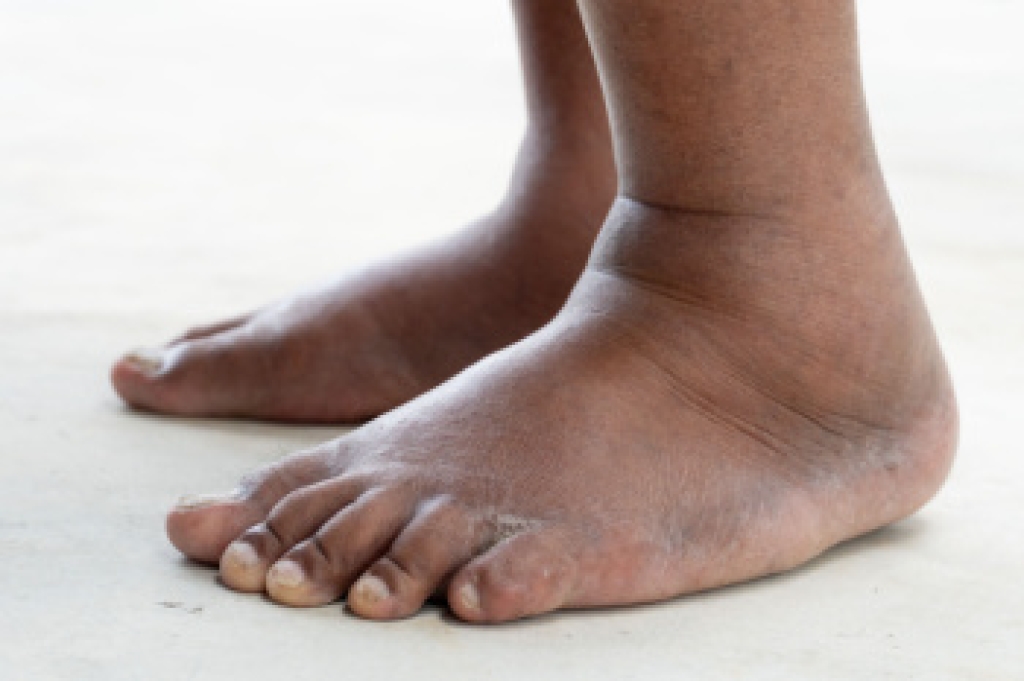
Swelling of the feet happens when extra fluid collects in the tissues, causing the feet to look or feel larger than usual. It may affect one foot or both and can occur suddenly or develop gradually. Swollen feet are sometimes linked to an injury, standing for long periods, or pregnancy. Swelling also may signal a more serious health problem that needs prompt medical attention. Other symptoms include pain, stiffness, and redness. Warmth or difficulty wearing shoes comfortably are other factors. The swollen skin may be tight or shiny, causing reduced flexibility in the feet and ankles. Because swelling has many possible causes, it should not be ignored. A professional evaluation can help determine what is causing the problem and whether additional medical care is needed.

A podiatrist can examine your feet and ankles to identify the source of the swelling. This may include checking the joints, soft tissues, nerves, and circulation for signs of injury or disease. If needed, a podiatrist may recommend imaging studies or work with your primary healthcare provider to help identify the underlying cause. Treatment depends on the diagnosis and may include reducing inflammation, improving circulation, or addressing injuries and other foot conditions. The goal is to reduce pain, improve foot function, and protect long-term foot health. Early care may also help prevent swelling from affecting your balance, mobility, or ability to stay active.

Professional foot care is an important part of treating swollen feet and preventing further problems. A podiatrist can monitor your symptoms, recommend appropriate treatment, and help you return to normal activities as safely as possible. Prompt evaluation may also identify conditions that require additional medical attention before they become more serious. Whether swelling develops after an injury or without a clear cause, early diagnosis can lead to improved comfort and healthier movement for many patients. If you have swollen feet, it is suggested that you consult a podiatrist for an evaluation.

Swollen feet can be a sign of an underlying condition. If you have any concerns, contact Cathy Coker, DPM of Arch Advantage Foot & Ankle Center. Our doctor can provide the care you need to keep you pain-free and on your feet.

Swollen feet are a common ailment among pregnant women and people who stand or sit for extended periods. Aging may increase the possibility of swollen feet and patients who are obese often notice when their feet are swelling too. There may be medical reasons why swollen feet occur:

  • Phlebitis - A condition that causes the veins to become inflamed and can also cause leg pain.
  • Liver disease - This may lead to low blood levels of albumin which is a protein. This can cause fluid in the blood to pass into the tissues and several areas of the body can become swollen.
  • Heart failure - When the heart doesn’t pump properly the blood that is normally pumped back to the heart can pool in the veins of the legs causing swollen feet.
  • Kidney disease - One of the main functions of the kidneys is releasing excess fluid in the body. This type of condition can make it difficult for the kidneys to function properly, and as a result the feet may become swollen.
  • Deep-vein thrombosis (DVT)- This is a serious condition where blood clots form in the veins of the legs. They can block the return of blood from the legs to the heart which may cause the feet to swell. It is important to be treated by a podiatrist if this condition is present.

Swollen feet can also be caused by bone and tendon conditions, including fractures, arthritis, and tendinitis. Additionally, there may be skin and toenail conditions and an infection may cause the feet to swell. Patients who take medicine to treat high blood pressure may be prone to getting swollen feet. 

Many patients elevate their feet to help relieve the swelling and this is generally a temporary remedy. When a podiatrist is consulted the reason behind the swelling can be uncovered and subsequently treated.

If you have any questions please contact our office located in Indianapolis, IN . We offer the newest diagnostic and treatment technologies for all your foot and ankle needs.

Read more about Swelling of the Feet

Connect With Us

Advanced Podiatric Procedures & Services in the Marion County, IN: Indianapolis, Lawrence, Beech Grove, Speedway, Southport, Pike Township, Warren Township, Franklin Township, Hendricks County, IN: Brownsburg, Avon, Plainfield, Danville, Hamilton County, IN: Carmel, Fishers, Noblesville, Westfield, Noblesville, Johnson County, IN: Greenwood, Franklin, Whiteland, Bargersville, Morgan County, IN: Mooresville, Martinsville areas
Request Appointment