Foot and Ankle Injuries in Pickleball

Pickleball combines quick movements, sudden stops, and rapid changes in direction, which can place stress on the feet and ankles. Injuries often include sprains, strains, and tendon problems, with Achilles tendon injuries being especially common. Older males may face a higher risk due to decreased flexibility and conditioning. Other risk factors include improper footwear, uneven playing surfaces, and lack of warm-up or stretching. These injuries can lead to pain, swelling, and limited mobility if not addressed early. A podiatrist can diagnose the injury, provide treatment, and recommend supportive footwear or exercises to promote healing and prevent future problems. If you have foot or ankle pain during or after playing pickleball, it is suggested that you consult a podiatrist.

Ankle and foot injuries are common among athletes and in many sports. They can be caused by several problems and may be potentially serious. If you are feeling pain or think you were injured in a sporting event or when exercising, consult with Cathy Coker, DPM from Arch Advantage Foot & Ankle Center. Our doctor will assess your condition and provide you with quality foot and ankle treatment.

Common Injuries

The most common injuries that occur in sporting activities include:

  • Achilles Tendonitis
  • Achilles Tendon Rupture
  • Ankle Sprains
  • Broken Foot
  • Plantar Fasciitis
  • Stress Fractures
  • Turf Toe

Symptoms

Symptoms vary depending upon the injury and in some cases, there may be no symptoms at all. However, in most cases, some form of symptom is experienced. Pain, aching, burning, bruising, tenderness, tightness or stiffness, sensation loss, difficulty moving, and swelling are the most common symptoms.

Treatment

Just as symptoms vary depending upon the injury, so do treatment options. A common treatment method is known as the RICE method. This method involves rest, applying ice, compression and elevating the afflicted foot or ankle. If the injury appears to be more serious, surgery might be required, such as arthroscopic or reconstructive surgery. Lastly, rehabilitation or therapy might be needed to gain full functionality in the afflicted area. Any discomfort experienced by an athlete must be evaluated by a licensed, reputable medical professional.  

If you have any questions please contact our office located in Indianapolis, IN . We offer the newest diagnostic and treatment technologies for all your foot and ankle needs.
Read more about Sports Related Foot and Ankle Injuries

Toenails That Grow Into the Skin

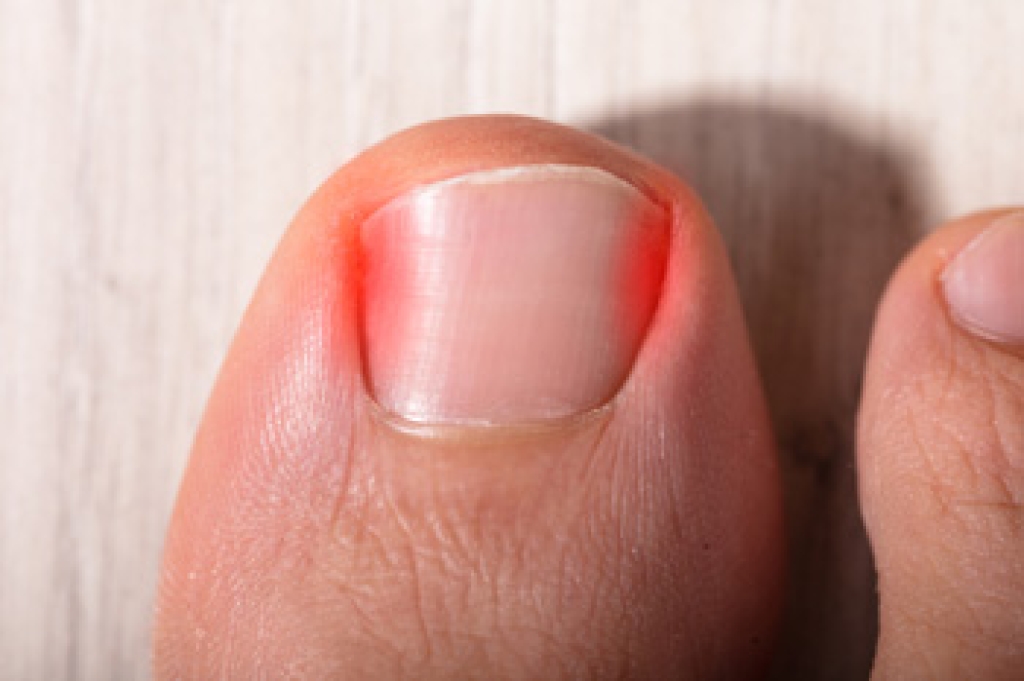
An ingrown toenail occurs when the edge of the nail grows into the surrounding skin, often affecting the big toe. This can lead to redness, swelling, and tenderness along the nail border. The area may feel painful with pressure from wearing shoes or walking. In some cases, the skin may become infected, causing drainage, warmth, or a throbbing sensation. The toe may look inflamed or slightly swollen, and symptoms can worsen if left untreated. Common causes include improper nail trimming,  wearing tight footwear, injury, or naturally curved nails. A podiatrist can evaluate the severity of the ingrown nail, and determine the most appropriate treatment. Care may include gentle removal of the ingrown portion, guidance on proper nail care, or a minor procedure to prevent recurrence. Early treatment can help relieve discomfort and reduce the risk of infection. If you have an ingrown toenail, it is suggested that you schedule an appointment with a podiatrist for appropriate treatment solutions.

Ingrown toenails may initially present themselves as a minor discomfort, but they may progress into an infection in the skin without proper treatment. For more information about ingrown toenails, contact Cathy Coker, DPM of Arch Advantage Foot & Ankle Center. Our doctor can provide the care you need to keep you pain-free and on your feet.

Ingrown Toenails

Ingrown toenails are caused when the corner or side of a toenail grows into the soft flesh surrounding it. They often result in redness, swelling, pain, and in some cases, infection. This condition typically affects the big toe and may recur if it is not treated properly.

Causes

  • Improper toenail trimming
  • Genetics
  • Improper shoe fitting
  • Injury from pedicures or nail picking
  • Abnormal gait
  • Poor hygiene

You are more likely to develop an ingrown toenail if you are obese, have diabetes, arthritis, or have any fungal infection in your nails. Additionally, people who have foot or toe deformities are at a higher risk of developing an ingrown toenail.

Symptoms

Some symptoms of ingrown toenails are redness, swelling, and pain. In rare cases, there may be a yellowish drainage coming from the nail.

Treatment

Ignoring an ingrown toenail can have serious complications. Infections of the nail border can progress to a deeper soft-tissue infection, which can then turn into a bone infection. You should always speak with your podiatrist if you suspect you have an ingrown toenail, especially if you have diabetes or poor circulation.

If you have any questions, please feel free to contact our office located in Indianapolis, IN . We offer the newest diagnostic and treatment technologies for all your foot care needs.

Read more about Ingrown Toenails

Inspect Your Feet Regularly for Abnormalities if You're Diabetic

Diabetic patients often have decreased sensitivity in their feet, which makes a visual inspection of the feet even more important. If you're diabetic, having periodic screenings is extremely important for maintaining the overall health of your feet. 

Common Types of Foot Pain and What They Mean

Foot pain can come from several conditions that affect daily comfort and movement. An ingrown toenail occurs when the nail grows into the surrounding skin, causing pain and swelling. Hammertoe is a bending of the toe joint that leads to pressure and irritation. Pain in the ball of the foot, often called metatarsalgia, involves discomfort in the front of the foot from repeated stress. Bunions are bony bumps that form at the base of the big toe, and Morton's neuroma is a thickening of tissue surrounding a nerve that can cause burning pain. A podiatrist can diagnose each condition and provide treatment to relieve symptoms. If you have any type of foot pain, it is suggested that you consult a podiatrist who can determine the cause and offer appropriate treatment solutions.

Foot Pain

Foot pain can be extremely painful and debilitating. If you have a foot pain, consult with Cathy Coker, DPM from Arch Advantage Foot & Ankle Center. Our doctor will assess your condition and provide you with quality foot and ankle treatment.

Causes

Foot pain is a very broad condition that could be caused by one or more ailments. The most common include:

  • Bunions
  • Hammertoes
  • Plantar Fasciitis
  • Bone Spurs
  • Corns
  • Tarsal Tunnel Syndrome
  • Ingrown Toenails
  • Arthritis (such as Gout, Rheumatoid, and Osteoarthritis)
  • Flat Feet
  • Injury (from stress fractures, broken toe, foot, ankle, Achilles tendon ruptures, and sprains)
  • And more

Diagnosis

To figure out the cause of foot pain, podiatrists utilize several different methods. This can range from simple visual inspections and sensation tests to X-rays and MRI scans. Prior medical history, family medical history, and any recent physical traumatic events will all be taken into consideration for a proper diagnosis.

Treatment

Treatment depends upon the cause of the foot pain. Whether it is resting, staying off the foot, or having surgery; podiatrists have a number of treatment options available for foot pain.

If you have any questions, please feel free to contact our office located in Indianapolis, IN . We offer the newest diagnostic and treatment technologies for all your foot care needs.

Read more about Foot Pain

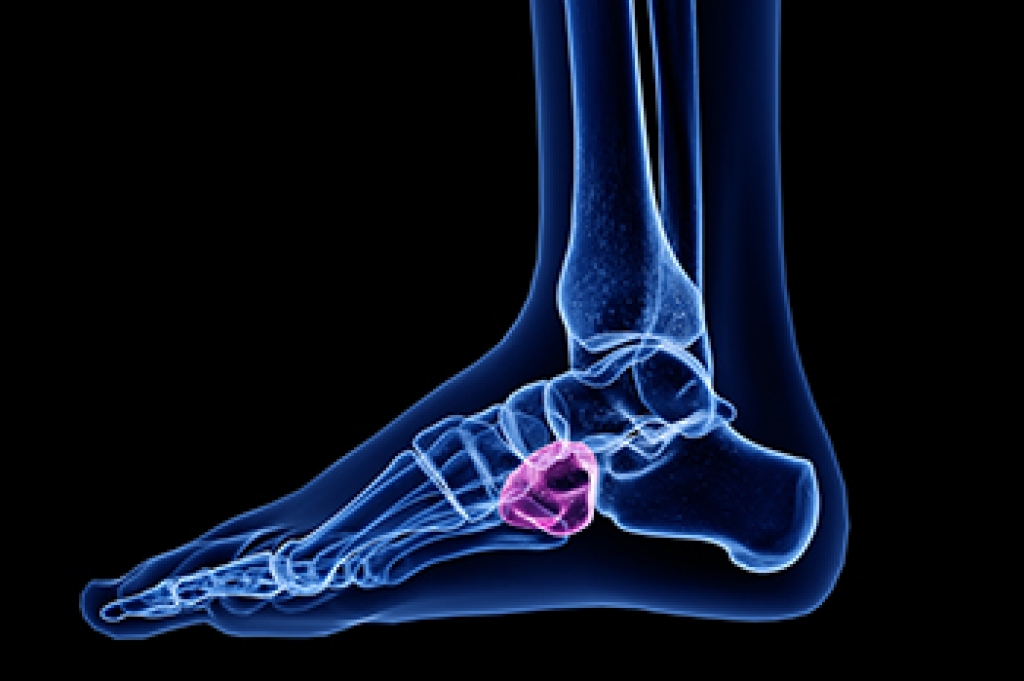
Cuboid Syndrome and Lateral Foot Pain

Cuboid syndrome is a condition involving the cuboid bone in the foot, where it becomes misaligned or irritated, leading to discomfort and impaired movement. There is often pain on the outer side of the foot, especially during walking or standing, and it may be weak or difficult to bear weight. Causes can include falls, sudden missteps, or repetitive strain, while flat feet may increase stress on the area. Risk factors include athletic activity, wearing improper footwear, and previous foot injuries. A podiatrist can evaluate the condition, provide manual treatment, recommend supportive devices, and guide rehabilitation. If you have pain in this area of your foot, it is suggested that you consult a podiatrist who can accurately diagnose and treat what may be going on.

Cuboid syndrome, also known as cuboid subluxation, occurs when the joints and ligaments near the cuboid bone in the foot become torn. If you have cuboid syndrome, consult with Cathy Coker, DPM from Arch Advantage Foot & Ankle Center. Our doctor will assess your condition and provide you with quality foot and ankle treatment.

Cuboid syndrome is a common cause of lateral foot pain, which is pain on the outside of the foot. The condition may happen suddenly due to an ankle sprain, or it may develop slowly overtime from repetitive tension through the bone and surrounding structures.

Causes

The most common causes of cuboid syndrome include:

  • Injury – The most common cause of this ailment is an ankle sprain.
  • Repetitive Strain – Tension placed through the peroneus longus muscle from repetitive activities such as jumping and running may cause excessive traction on the bone causing it to sublux.
  • Altered Foot Biomechanics – Most people suffering from cuboid subluxation have flat feet.

Symptoms

A common symptom of cuboid syndrome is pain along the outside of the foot which can be felt in the ankle and toes. This pain may create walking difficulties and may cause those with the condition to walk with a limp.

Diagnosis

Diagnosis of cuboid syndrome is often difficult, and it is often misdiagnosed. X-rays, MRIs and CT scans often fail to properly show the cuboid subluxation. Although there isn’t a specific test used to diagnose cuboid syndrome, your podiatrist will usually check if pain is felt while pressing firmly on the cuboid bone of your foot.

Treatment

Just as the range of causes varies widely, so do treatments. Some more common treatments are ice therapy, rest, exercise, taping, and orthotics.

If you have any questions, please feel free to contact our office located in Indianapolis, IN . We offer the newest diagnostic and treatment technologies for all your foot care needs.

Read more about Cuboid Syndrome

Connect With Us

Advanced Podiatric Procedures & Services in the Marion County, IN: Indianapolis, Lawrence, Beech Grove, Speedway, Southport, Pike Township, Warren Township, Franklin Township, Hendricks County, IN: Brownsburg, Avon, Plainfield, Danville, Hamilton County, IN: Carmel, Fishers, Noblesville, Westfield, Noblesville, Johnson County, IN: Greenwood, Franklin, Whiteland, Bargersville, Morgan County, IN: Mooresville, Martinsville areas
Request Appointment