
Common Causes of Foot Pain in Women

Foot pain in women may develop from several lifestyle and health-related factors that place stress on the feet. Wearing high heel shoes or shoes that fit improperly can increase pressure on the forefoot and toes, often leading to discomfort, swelling, and deformities over time. Pregnancy may also contribute to foot pain because increased body weight and hormonal changes can affect ligaments and foot stability. Additionally, conditions such as osteoporosis may weaken bone strength, while rheumatoid arthritis can cause joint inflammation, stiffness, and swelling in the feet. Risk factors may include prolonged standing,  wearing improper footwear, and genetic predisposition. A podiatrist can evaluate symptoms and provide personalized treatment. If you have foot pain, it is suggested that you consult a podiatrist who can determine what the cause is, and offer appropriate relief and treatment solutions.

Foot Pain

Foot pain can be extremely painful and debilitating. If you have a foot pain, consult with Cathy Coker, DPM from Arch Advantage Foot & Ankle Center. Our doctor will assess your condition and provide you with quality foot and ankle treatment.

Causes

Foot pain is a very broad condition that could be caused by one or more ailments. The most common include:

  • Bunions
  • Hammertoes
  • Plantar Fasciitis
  • Bone Spurs
  • Corns
  • Tarsal Tunnel Syndrome
  • Ingrown Toenails
  • Arthritis (such as Gout, Rheumatoid, and Osteoarthritis)
  • Flat Feet
  • Injury (from stress fractures, broken toe, foot, ankle, Achilles tendon ruptures, and sprains)
  • And more

Diagnosis

To figure out the cause of foot pain, podiatrists utilize several different methods. This can range from simple visual inspections and sensation tests to X-rays and MRI scans. Prior medical history, family medical history, and any recent physical traumatic events will all be taken into consideration for a proper diagnosis.

Treatment

Treatment depends upon the cause of the foot pain. Whether it is resting, staying off the foot, or having surgery; podiatrists have a number of treatment options available for foot pain.

If you have any questions, please feel free to contact our office located in Indianapolis, IN . We offer the newest diagnostic and treatment technologies for all your foot care needs.

Read more about Foot Pain

Causes of Ankle Pain

Ankle pain can occur when the bones, ligaments, tendons, or joints in the ankle become injured or irritated. The ankle joint connects the leg to the foot. It forms where the shin bone, calf bone, and a bone in the foot meet and move together. This type of joint allows the foot to bend up and down when walking, running, or standing. Strong bands of tissue called ligaments help hold the bones together and keep the joint stable. Tendons, which connect muscles to bones, also help control movement. When these tissues are stretched, torn, inflamed, or damaged, ankle pain can develop. One of the most common causes is an ankle sprain, which happens when the ligaments stretch too far or tear. Other causes include broken bones, arthritis that causes joint pain and stiffness, and tendinitis, which is irritation of a tendon. A podiatrist can identify the cause of ankle pain and provide appropriate treatment. If you are experiencing ankle pain, it is suggested that you make an appointment with a podiatrist for an exam, diagnosis, and treatment.

Ankle pain can have many different causes and the pain may potentially be serious. If you have ankle pain, consult with Cathy Coker, DPM from Arch Advantage Foot & Ankle Center. Our doctor will assess your condition and provide you with quality foot and ankle treatment.

Ankle pain is any condition that causes pain in the ankle. Due to the fact that the ankle consists of tendons, muscles, bones, and ligaments, ankle pain can come from a number of different conditions.

Causes

The most common causes of ankle pain include:

  • Types of arthritis (rheumatoid, osteoarthritis, and gout)
  • Ankle sprains
  • Broken ankles
  • Achilles tendinitis
  • Achilles tendon rupture
  • Stress fractures
  • Tarsal tunnel syndrome
  • Plantar fasciitis

Symptoms

Symptoms of ankle injury vary based upon the condition. Pain may include general pain and discomfort, swelling, aching, redness, bruising, burning or stabbing sensations, and/or loss of sensation.

Diagnosis

Due to the wide variety of potential causes of ankle pain, podiatrists will utilize a number of different methods to properly diagnose ankle pain. This can include asking for personal and family medical histories and of any recent injuries. Further diagnosis may include sensation tests, a physical examination, and potentially x-rays or other imaging tests.

Treatment

Just as the range of causes varies widely, so do treatments. Some more common treatments are rest, ice packs, keeping pressure off the foot, orthotics and braces, medication for inflammation and pain, and surgery.

If you have any questions please feel free to contact our office located in Indianapolis, IN . We offer the newest diagnostic tools and technology to treat your foot and ankle needs.

Read more about Ankle Pain

Achilles Tendon Injuries in Basketball Players

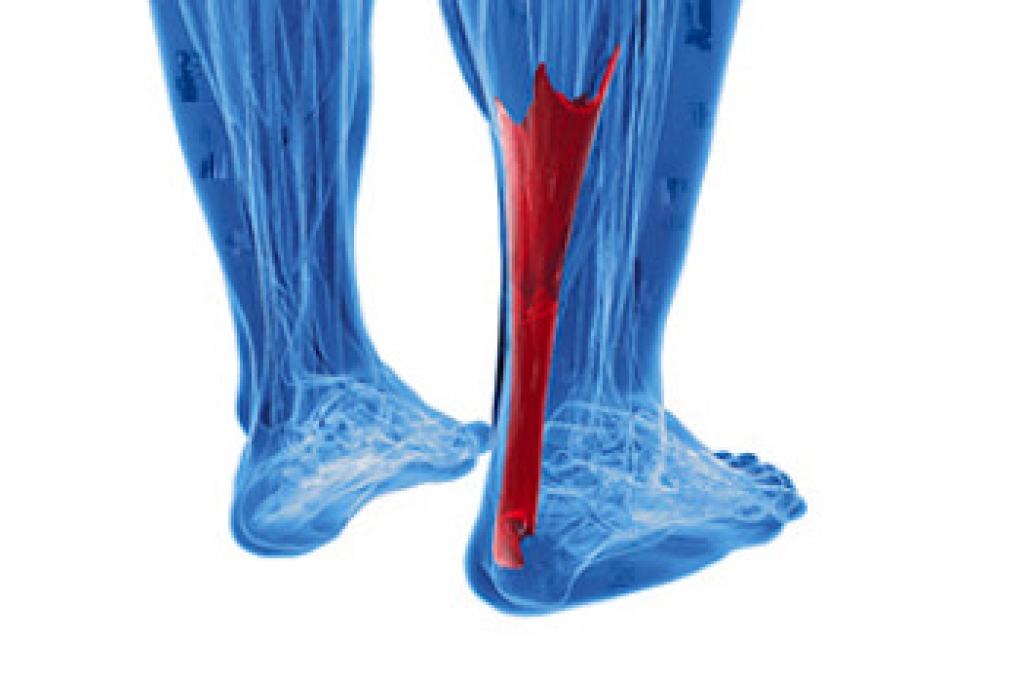
Achilles tendon injuries are a common concern for basketball players because the sport requires frequent jumping, rapid direction changes, and explosive movements. The Achilles tendon connects the calf muscles to the heel bone and plays an essential role in running and jumping. Repeated strain and sudden force can lead to inflammation or tearing of this tendon. Causes include overuse, tight calf muscles, inadequate stretching, and wearing improper footwear. Symptoms often include pain along the back of the heel, stiffness, swelling, and difficulty pushing off the foot during movement. These injuries can significantly decrease athletic performance and limit participation in sports. A podiatrist can evaluate tendon health, recommend supportive treatment, and guide recovery strategies. If you have persistent heel or tendon pain, it is suggested that you consult a podiatrist for appropriate relief and treatment solutions.

Achilles tendon injuries need immediate attention to avoid future complications. If you have any concerns, contact Cathy Coker, DPM of Arch Advantage Foot & Ankle Center. Our doctor can provide the care you need to keep you pain-free and on your feet.

What Is the Achilles Tendon?

The Achilles tendon is a tendon that connects the lower leg muscles and calf to the heel of the foot. It is the strongest tendon in the human body and is essential for making movement possible. Because this tendon is such an integral part of the body, any injuries to it can create immense difficulties and should immediately be presented to a doctor.

What Are the Symptoms of an Achilles Tendon Injury?

There are various types of injuries that can affect the Achilles tendon. The two most common injuries are Achilles tendinitis and ruptures of the tendon.

Achilles Tendinitis Symptoms

  • Inflammation
  • Dull to severe pain
  • Increased blood flow to the tendon
  • Thickening of the tendon

Rupture Symptoms

  • Extreme pain and swelling in the foot
  • Total immobility

Treatment and Prevention

Achilles tendon injuries are diagnosed by a thorough physical evaluation, which can include an MRI. Treatment involves rest, physical therapy, and in some cases, surgery. However, various preventative measures can be taken to avoid these injuries, such as:

  • Thorough stretching of the tendon before and after exercise
  • Strengthening exercises like calf raises, squats, leg curls, leg extensions, leg raises, lunges, and leg presses

If you have any questions please feel free to contact our office located in Indianapolis, IN . We offer the newest diagnostic tools and technology to treat your foot and ankle needs.

Read more about Achilles Tendon Injuries

Foot Bones Commonly Affected by Stress Fractures

Stress fractures are small cracks in bone that develop when repeated force exceeds the bone’s ability to repair itself. In the foot, certain bones are more commonly affected because they bear body weight with every step. The second and third metatarsals, which are the long bones that connect the toes to the midfoot, are frequent sites of stress fractures. The heel bone can also develop stress fractures due to constant impact from walking and playing sports. Another high-risk area is the navicular bone near the top of the midfoot, which plays a key role in maintaining the arch. Symptoms of stress fractures include pinpoint tenderness, deep aching pain, swelling, and discomfort that worsens with activity. A podiatrist can evaluate gait mechanics and use advanced imaging to confirm the diagnosis. If you have symptoms of stress fractures in the feet, it is suggested that you make an appointment with a podiatrist for an exam, diagnosis, and treatment.

Stress fractures occur when there is a tiny crack within a bone. To learn more, contact Cathy Coker, DPM from Arch Advantage Foot & Ankle Center. Our doctor can provide the care you need to keep you pain free and on your feet.

How Are They Caused?

Stress fractures are the result of repetitive force being placed on the bone. Since the lower leg and feet often carry most of the body’s weight, stress fractures are likely to occur in these areas. If you rush into a new exercise, you are more likely to develop a stress fracture since you are starting too much, too soon.  Pain resulting from stress fractures may go unnoticed at first, however it may start to worsen over time.

Risk Factors

  • Gender – They are more commonly found in women compared to men.
  • Foot Problems – People with unusual arches in their feet are more likely to develop stress fractures.
  • Certain Sports – Dancers, gymnasts, tennis players, runners, and basketball players are more likely to develop stress fractures.
  • Lack of Nutrients – A lack of vitamin D and calcium may weaken the bones and make you more prone to stress fractures
  • Weak Bones – Osteoporosis can weaken the bones therefore resulting in stress fractures

Stress fractures do not always heal properly, so it is important that you seek help from a podiatrist if you suspect you may have one. Ignoring your stress fracture may cause it to worsen, and you may develop chronic pain as well as additional fractures.

If you have any questions please contact our office located in Indianapolis, IN . We offer the newest diagnostic and treatment technologies for all your foot and ankle needs.

Read more about Stress Fractures of the Foot and Ankle

Heel Pain in the Morning?

Heel pain can negatively affect your day-to-day life. Simple activities like walking can become incredibly uncomfortable or painful due to heel pain.

Don’t live with heel pain and get treated.

Connect With Us

Advanced Podiatric Procedures & Services in the Marion County, IN: Indianapolis, Lawrence, Beech Grove, Speedway, Southport, Pike Township, Warren Township, Franklin Township, Hendricks County, IN: Brownsburg, Avon, Plainfield, Danville, Hamilton County, IN: Carmel, Fishers, Noblesville, Westfield, Noblesville, Johnson County, IN: Greenwood, Franklin, Whiteland, Bargersville, Morgan County, IN: Mooresville, Martinsville areas
Request Appointment